ADA Accommodation Letter for Autism (ASD): What You Need to Know
Autism is recognized under the ADA
Autism Spectrum Disorder is a recognized disability under the Americans with Disabilities Act. Like other neurodevelopmental conditions, ASD qualifies when the impairment substantially limits one or more major life activities, which the ADA broadly defines to include concentrating, thinking, communicating, interacting with others, sleeping, and working.
The 2008 ADA Amendments Act made clear that the definition of disability should be construed broadly. For autism, this means individuals across the full range of presentations, including those who hold professional or technical jobs and have not previously needed formal accommodations, can qualify if their condition substantially limits major life activities when active. You don't have to have been diagnosed in childhood. Adult-diagnosed autism is increasingly common as awareness has grown, and the legal framework treats those diagnoses the same.
The EEOC's mental health rights guidance covers neurodevelopmental conditions in the same framework as anxiety, depression, and PTSD. If you have a clinical assessment indicating ASD and the condition substantially limits major life activities in a workplace context, you have ADA protection.
What functional limitations look like in a work context
The challenge with autism documentation is that the limitations look different from person to person. A clinician documenting accommodations should focus on the specific limitations relevant to your specific job, not a generic description of ASD. Here are the limitations that come up most often.
Sensory regulation. Open offices, fluorescent lighting, hum from HVAC systems, hallway conversations, and frequent visual interruptions are well-documented sources of cognitive load for many autistic employees. Sensory load doesn't just feel uncomfortable; it actively reduces working memory and concentration available for job tasks.
Communication style differences. Autistic communication tends to be more direct, more literal, and less reliant on inferred social context. In workplaces where most communication is verbal and ambiguous, this can create friction even when actual job performance is strong. Documenting this as a limitation is appropriate when it materially affects how the employee can perform tasks.
Executive function and task switching. Some autistic employees experience difficulty shifting between tasks, especially when interrupted. Others have strong sustained attention but struggle with rapid context-switching. The relevant limitation depends on the individual.
Routine and predictability. Unannounced schedule changes, last-minute meeting invitations, and unstructured work flows are harder for many autistic employees to manage. Documenting a need for predictable schedules and advance notice of changes is well-supported in the literature.
Social fatigue. Sustained social interaction (back-to-back meetings, customer-facing duties, networking events) consumes more cognitive resources for many autistic employees than for non-autistic peers. This isn't a quirk; it's a measurable impact on energy available for actual work tasks.
Co-occurring conditions. Many autistic adults also have anxiety, ADHD, or other co-occurring conditions, and the JAN's autism spectrum page explicitly addresses this. Documentation should reflect the full picture, not just one condition in isolation.
Common accommodations
The accommodations that work for autistic employees are usually about reducing cognitive overhead so the employee's actual capabilities can come through.
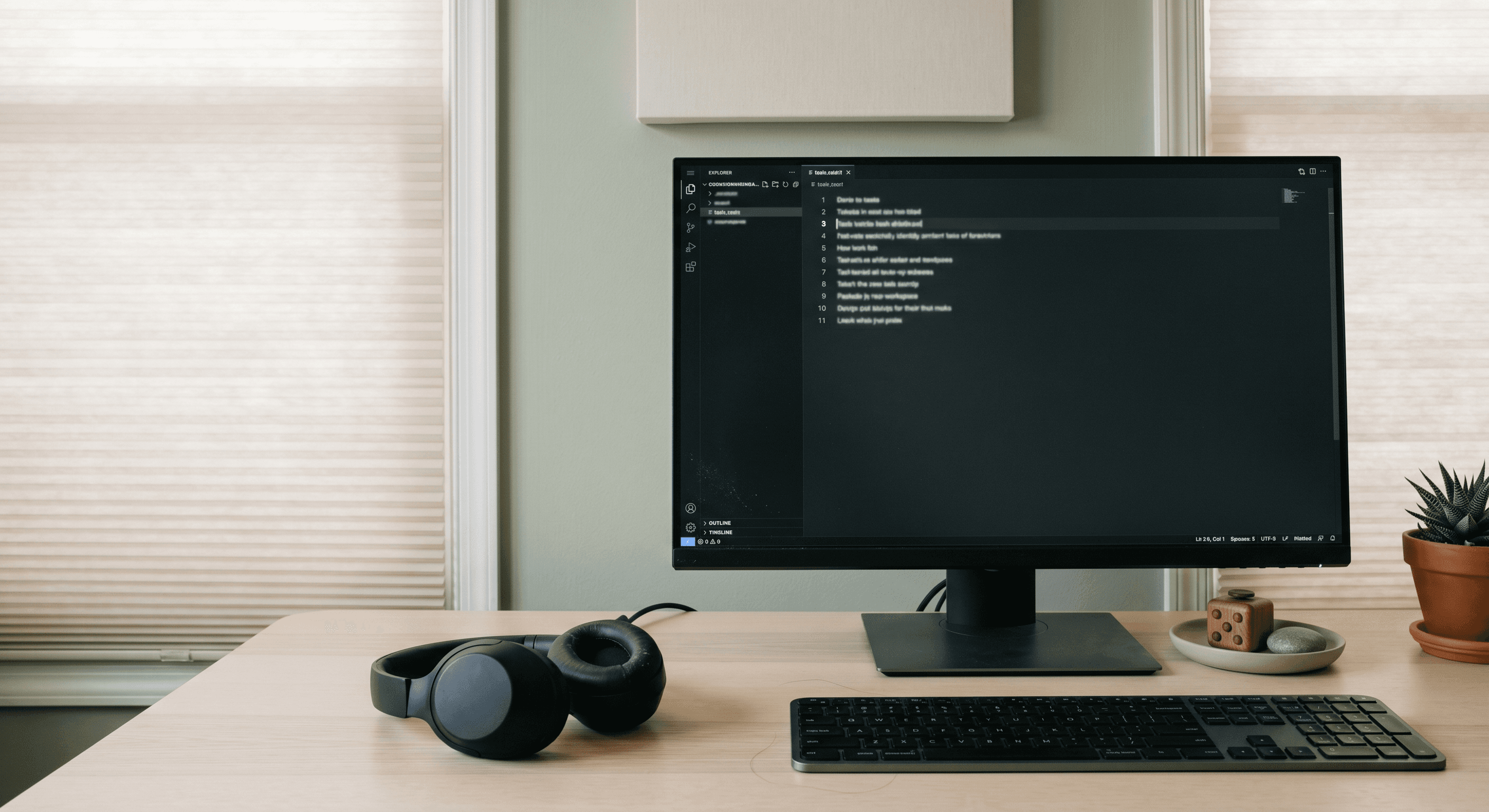
Quiet workspace. A private office, a closed-door space, a corner away from high-traffic areas, or noise-canceling headphones with a clear "do not interrupt" signal. This is the single most-requested accommodation for autistic employees.
Remote or hybrid work. Working from home gives full control over the sensory environment, eliminates commute-related sensory overload, and reduces the social tax of being in shared space. The EEOC has explicitly recognized remote work as an accommodation, and our deeper piece on requesting remote work under the ADA walks through the specifics.
Written communication preference. Asking for written task assignments, written follow-ups to verbal meetings, or chat-based check-ins instead of drop-by conversations. This isn't antisocial; it's adjusting the communication channel to match how the brain processes information most reliably.
Predictable schedule and advance notice. A fixed schedule, written agendas distributed at least 24 hours before meetings, advance notice of schedule changes when possible, and limits on last-minute reassignments.
Reduced meeting load. A cap on synchronous meetings per day, designated focus blocks, or asynchronous alternatives where appropriate.
Time to process before responding. Especially in performance review or feedback contexts, a written summary delivered before a conversation, with permission to respond in writing rather than on the spot.
Adjusted lighting and sensory environment. Different lighting, removal of fluorescent overhead bulbs in the immediate workspace, or permission to use a desk lamp instead. Adjusted seating to reduce ambient noise exposure. Headphones policy adjustments.
Modified social expectations. Optional team social events, modified dress code in some cases, written rather than verbal performance check-ins.
For more on the schedule-modification side, our schedule changes accommodation guide covers what's typical.
What an autism accommodation letter should include
The structure of a strong letter is similar to other condition-specific letters. Our piece on what an ADA mental health accommodation letter should include walks through the core elements.
For autism specifically, a letter should:
Confirm that the patient has been evaluated by a qualified clinician and has a documented neurodevelopmental condition. As with other conditions, the EEOC's documentation standard does not require a diagnostic label, though the assessment should establish a recognized disorder.
Describe the major life activities affected, which for autism typically includes concentrating, communicating, interacting with others, and processing sensory input.
Translate those limitations into job-specific terms by referencing the actual duties of the position. If you work in software development, the relevant limitations look different than if you work in customer service or healthcare.
Recommend specific accommodations with clear connections between each accommodation and a documented limitation. Generic recommendations like "would benefit from flexibility" are weaker than specific recommendations like "requires written follow-up after verbal task assignments to support working memory and accurate task completion."
Recommend a duration. Autism is lifelong, so the duration is usually "indefinite, with periodic review every 12 to 24 months."
The disclosure question
A common worry: if I disclose autism, will it change how my employer treats me? The honest answer is that the ADA prohibits discrimination based on disability, and you have legal protection from adverse action based on the disclosure. In practice, many employees still feel the social and professional weight of disclosing.
A few practical considerations. You generally do not need to disclose to your direct manager. The accommodation process can be handled through HR, and your manager only needs to know what accommodations are being implemented, not the underlying reason. Some accommodations (a private office, a remote work arrangement) are easier to implement quietly than others.
You also do not have to use the word "autism" in your accommodation letter if you don't want to. The clinician can describe the relevant functional limitations and recommended accommodations without naming the specific diagnosis, as long as the underlying condition is established. This is a personal choice, and a thoughtful clinician will discuss it with you before drafting the letter.
What if the request is denied?
The interactive process is supposed to be a back-and-forth conversation. Employers can propose alternative accommodations they think would be equally effective. They can ask follow-up questions. They cannot deny accommodation simply because they don't understand the condition or assume autistic employees should "just adapt."
If you receive a denial or a counter-proposal that won't actually work, our piece on what to do when your accommodation request is denied walks through the escalation path. The EEOC accepts complaints when employers refuse to engage in good-faith interactive process.
Practical next step
Strong autism accommodation requests are specific, job-connected, and grounded in functional limitations rather than identity language. They give HR a clear blueprint of what to implement.
If you're starting this process, gather your job description, write a paragraph or two on which job tasks are most affected and which are not, and book an evaluation with a clinician familiar with adult autism documentation. The Standard Evaluation at $169 covers the letter or one employer form. The Complete Support package at $299 covers a letter plus up to two supplemental forms.
This is general information, not medical or legal advice. For advice on your specific situation, consult a licensed clinician and an employment attorney.
Written by the WorkWell Evals team. WorkWell connects employees with PSYPACT-licensed psychologists for ADA workplace accommodation evaluations. Available in 40+ states via telehealth. Learn more at workwellevals.com.